
Maintaining a shared garden plot in Canada requires adapting to a relatively short growing season, pronounced seasonal transitions, and, in most city programs, clearly defined obligations tied to site rules. This guide breaks down recommended tasks by season for gardeners working within community garden programs across the country.
Spring: Plot Preparation (April–May)
Spring tasks begin as soon as soil is workable — typically late March in southern British Columbia and southern Ontario, and well into May in Alberta and northern regions. Frost risk continues past the calendar start of spring in most of Canada, so working in phases reduces the risk of early planting losses.
Plot Assessment and Cleanup
- Remove any plant material left from the previous season that was not cleared in fall (some programs flag uncleared plots during spring inspections)
- Check raised bed structures for winter damage — boards may have shifted or split due to freeze-thaw cycles
- Clear any debris accumulated over winter from adjacent paths or common areas, per site rules
Soil Work
- Turn the top 10–15 cm of soil to break up compaction from winter
- Incorporate any compost saved from the previous season or apply fresh amendment before planting
- Check drainage — if water pools in the plot after rain, additional compost or raised mounding may be needed
Early Planting
Before the last frost date, cold-tolerant crops can be direct sown: spinach, kale, arugula, radishes, and peas all handle light frost. Starting indoors or under a row cover earlier extends the effective growing window for heat-sensitive crops.
Summer: Active Growing Season (June–August)
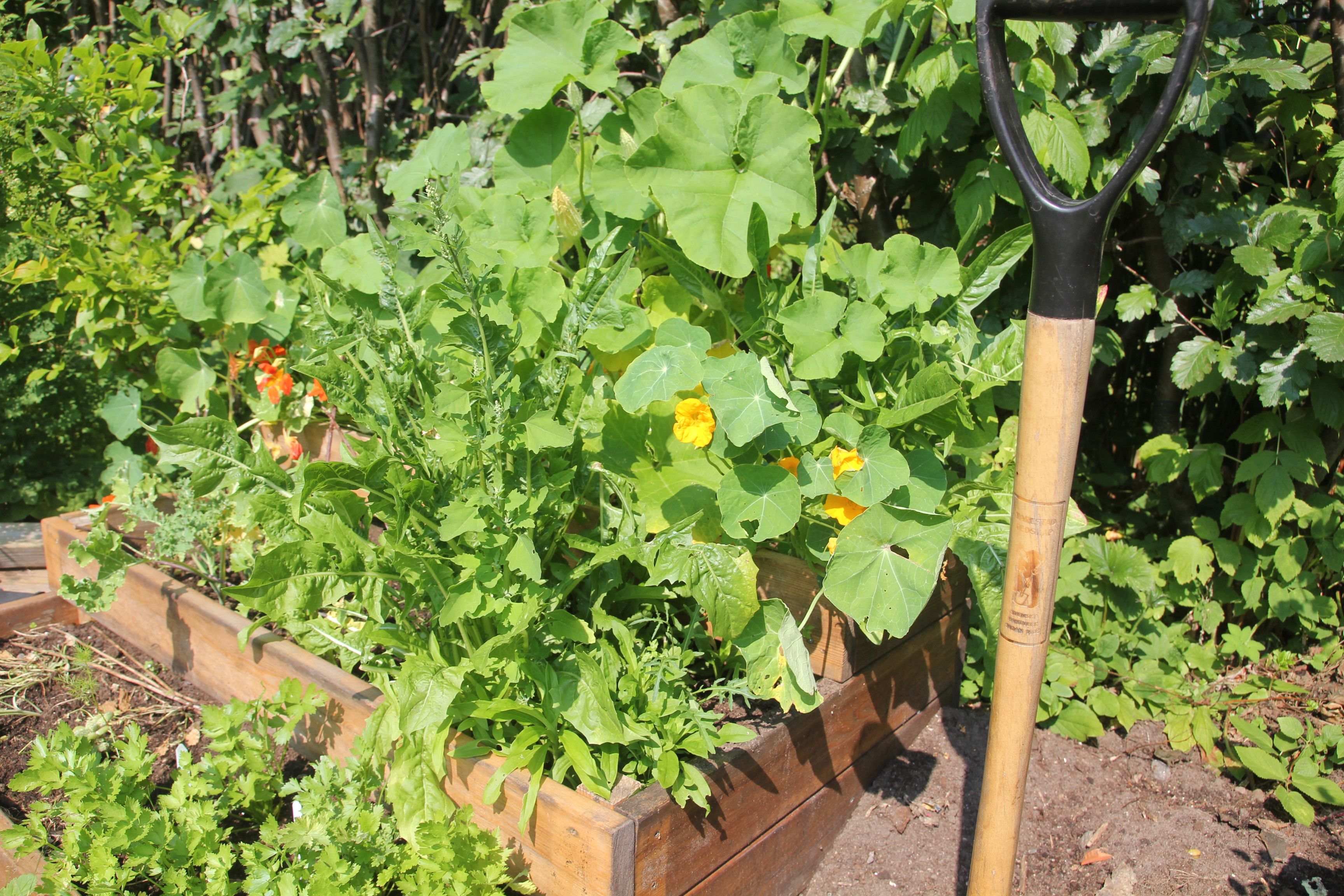
The core growing months in most Canadian regions span June through August. The combination of longer daylight hours and sufficient warmth suits a wide range of vegetables. Management during this period focuses on water, weed control, and succession planting.
Watering
Most community garden sites have shared water taps or drip systems. Protocols vary:
- Some sites allocate specific watering windows to manage supply
- Hand watering at the base of plants (avoiding foliage) reduces fungal disease risk, which is relevant during humid summer periods in Ontario and Quebec
- Mulching bare soil with straw or wood chips reduces moisture loss and is permitted at many sites — confirm with your site coordinator before applying
Weed Management
Community garden agreements typically require that plots be kept reasonably clear of weeds, particularly to prevent seeding into adjacent plots. Weekly shallow cultivation with a hand hoe addresses most annual weed pressure. Perennial weeds like Canada thistle or bindweed require persistent removal — if roots are deep, cutting at ground level repeatedly through the season weakens the plant over time.
Succession Planting
Fast-maturing crops — radishes, lettuce, green onions — can be re-sown every two to three weeks through July to extend harvests. Once a plot section has been cleared of a finished crop, planting a second round or a fall crop (such as kale or winter greens) makes efficient use of the space.
Fall: Harvest and Cleanup (September–October)
Most Canadian community garden programs require plots to be cleared and winterized by a date in October — commonly October 15 or October 31, depending on the city and site. Late warm spells in September allow continued harvesting of tomatoes, peppers, and squash, but preparing for cleanup while the weather is still mild makes the process more manageable.
End-of-Season Harvest
- Harvest root vegetables (carrots, beets, turnips) before the ground freezes
- Green tomatoes can ripen indoors at room temperature after being brought in before frost
- Leave nothing unharvested that will rot in place, as decomposing material attracts pests and violates most site cleanliness requirements
Plot Clearance
- Pull all spent plant material, including root systems where practical
- Remove any structures (trellises, stakes, cages) that belong to you — most programs prohibit leaving personal materials over winter
- Cut back perennial herbs to ground level
- Add cleared plant material to the site compost, unless it shows signs of disease — diseased material should go to municipal green bin collection instead
Soil Protection
Leaving bare soil exposed over winter leads to erosion and nutrient loss. Two common approaches used at Canadian community garden sites:
- Mulching — applying 5–8 cm of straw, wood chips, or shredded leaves over cleared soil insulates it and reduces erosion
- Cover crops — fall rye or winter wheat can be sown in late August to early September in most regions and will provide ground cover through winter; till them in spring
Winter: Site Protocols (November–March)
Once the site closes for the season, most plots have no active gardening responsibilities. However, some considerations apply:
- Confirm that your plot fee for the following season is paid by the renewal deadline, which varies by city program
- Check whether the program sends any mid-winter communications about the upcoming season's plot assignments or waitlist status
- If you participate in the site's shared-governance structure — some community gardens have working committees — winter meetings or planning sessions may occur